
AI referral traffic is becoming an increasingly significant source for driving qualified web visitors as buyers use ChatGPT, Perplexity, Gemini, and other AI tools to research and evaluate before ever visiting a vendor’s website. In fact, enterprise data shows AI-driven referral traffic has grown by more than 10×. These visitors aren’t just browsing either. Research shows that AI-referred web visitors can convert at up to 3× the rate of visitors from traditional channels, often arriving with stronger intent and further along in the buying process.
In this blog, you’ll learn where this traffic comes from, how to measure it, and effective ways to improve your visibility within AI search platforms.
Before learning how to get cited in Google AI Overviews, it’s important to keep in mind that traditional SEO is still important. Research found that 76% of AI Overview citations come from pages already ranking in Google’s top 10 search results. That means strong SEO, useful content, and a clear structure can improve your chances of getting cited.
In this blog, we’ll explain what Google looks for and how you can create content that’s more likely to get cited in Google AI Overviews.
What Exactly is AI Referral Traffic and How Does It Work?
AI referral traffic refers to website visits that come from AI platforms such as ChatGPT, Perplexity, Gemini, Claude, and similar large language models (LLMs). Instead of finding your content through a traditional search engine results page like on Google, users find your brand through AI answers that cite or link to your content. ChatGPT now drives roughly 78% of global AI referral traffic, making it the largest contributor among AI search tools.
Though AI referral traffic grew from 0.02% to 0.15% of global internet traffic during 2025, it’s difficult to track and organizations are likely underreporting it. Research suggests that 70.6% of AI-generated visits may be classified as direct traffic in Google Analytics 4 rather than being attributed to their original source.
This means that you may already be receiving AI referral traffic without seeing it clearly in your reports, and that’s why you first need an effective way to track where it’s actually coming from.
How You Can Accurately Track Traffic From LLMs
As more people use AI tools to research vendors and solutions, it’s important to understand how they are influencing visits to your website. Let’s find out how B2B marketing strategy services can help you do so:
1. Monitor AI referral sources in your analytics platform
Start by reviewing referral traffic from major AI platforms to identify which tools are sending people to your website. These sources provide the clearest indication that users are discovering your content through AI-generated answers.
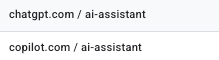
(AI referral traffic example in GA4)
2. Create dedicated reporting dashboards
Separate reporting makes it easier to understand how visitors from AI platforms engage with your website and whether they become leads or customers. This makes it easier to identify trends and evaluate performance over time.
3. Uncover hidden AI referral traffic
Not all AI-driven visits appear as referrals. Many users interact with an AI platform, remember a brand name, and later visit the website eventually. Monitoring branded search growth and direct traffic trends can reveal AI influence that standard reports might miss.
4. Track which pages AI tools are sending visitors to
Certain pages, like original research reports and detailed case studies, tend to attract more citations and recommendations than others. Identifying which content receives AI-generated visits can help you understand what information resonates with both users and AI platforms.
5. Measure AI-assisted conversions and lead quality
Focus on whether AI visitors convert into leads, opportunities, or customers, because traffic alone provides limited value. Some studies found AI referral traffic can convert significantly better than traditional organic traffic, making quality metrics more meaningful than visit counts.
Keep in mind though, that tracking traffic is only part of the process. Visibility inside AI answers depends heavily on how your content is structured.
Which Strategies Can Help Your Website Improve Generative Search Traffic
Brands that appear more frequently in AI responses make it easier for AI tools to understand their content. Below are some ways B2B marketing services create content that AI platforms can reference when answering user questions.
- Make your content easier for AI tools to understand and extract
AI platforms favor content that provides direct answers, clear headings, and concise paragraphs. When information is easy to identify and interpret, it becomes easier for AI systems to pull content and turn it into responses.
- Create content that answers real questions
Many AI prompts resemble natural conversations rather than traditional keyword searches. For example, a user asking, “How do I improve my company’s B2B organic traffic?” rather than just searching “B2B SEO.” B2B digital marketing companies can help you structure content around common customer questions and concerns, and align it with how they interact with AI tools.
- Build authority around topics, not individual pages
Publishing a single strong page is rarely enough to win AI citations. Creating multiple pieces of useful content around the same subject helps show AI tools that your organization has real knowledge and expertise in that area, increasing your chances of being recognized as a credible source.
- Update your content regularly
With AI-driven search traffic surging 527% year over year according to the 2026 GEO benchmark report, keeping your content fresh is more important than ever. AI platforms prioritize the most accurate, up-to-date data, meaning outdated pages will quickly lose visibility to newer sources.
Once you understand what drives visibility, the next step is developing a strategy that supports both AI discovery and business growth. This is an area where a specialized B2B marketing agency can provide valuable expertise.
How Simplified Marketing Can Improve AI Visibility and Citations
Simplified Marketing is one of the top-rated B2B digital marketing agencies in the US that helps businesses in regulated and technical industries improve their content performance across both traditional search engines and AI platforms. Here’s how:
SEO and AI-friendly content
Our B2B SEO services involve creating content that answers real buyer questions clearly, supporting visibility across search engines and AI platforms.

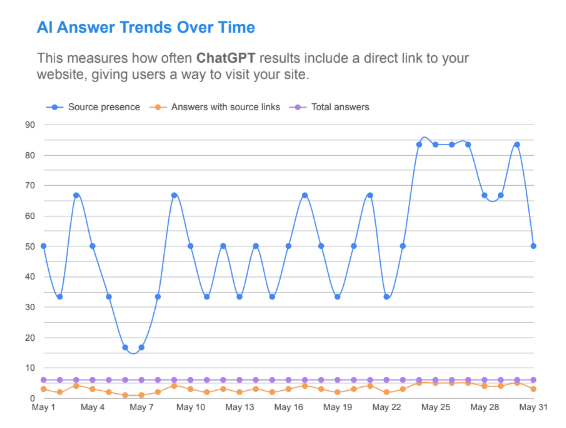
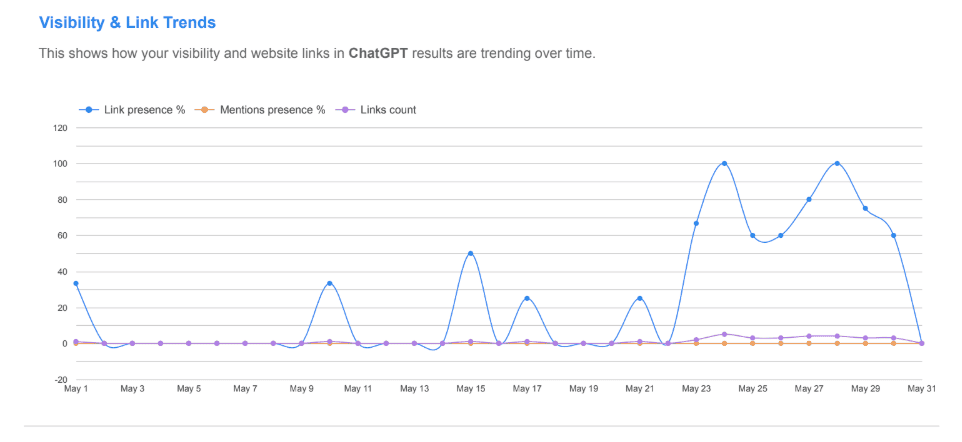
Growth in AI visibility within ChatGPT responses over time.
Real-time reporting
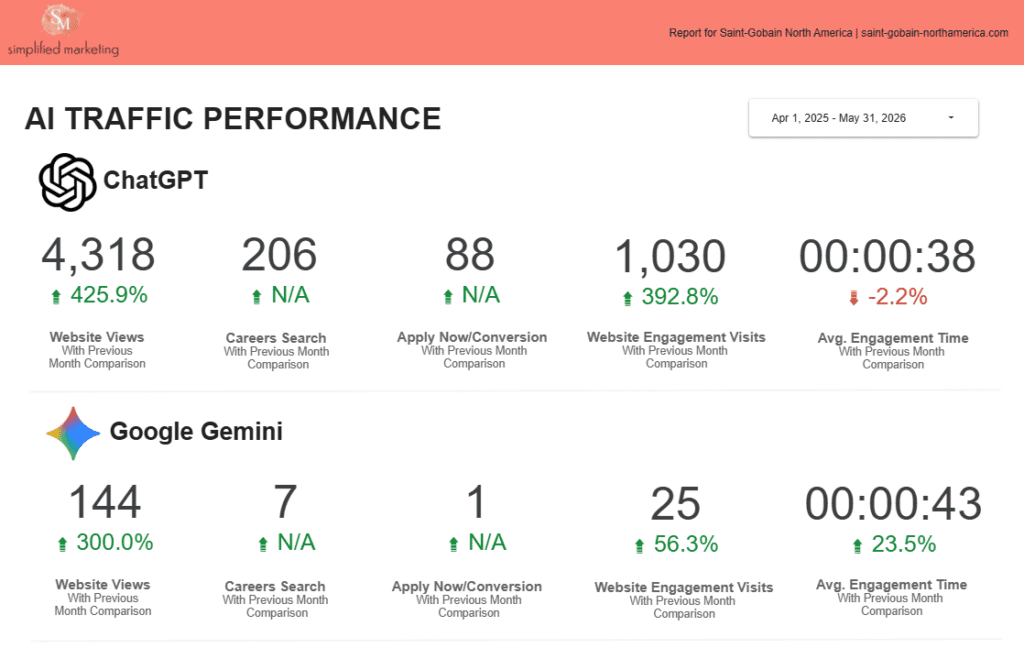
Simplified Marketing creates custom AI reports and gives you access to live dashboards so you can see exactly how your content is performing.

AI-driven website visits and engagement increased across ChatGPT and Gemini.
Regular content optimization
We regularly update and improve content to keep it relevant as search behavior and AI platforms evolve.

Increased source citations in ChatGPT answers following content optimization.
Get Your Business Found in AI Search
Ready to turn AI discoveries into measurable business growth? Simplified Marketing provides the ongoing optimization and strategic insights you need to become more visible in AI-generated answers.
FAQs About AI Referral Traffic
Below, we answer some of the most common questions about AI visibility, citations, and more.
What analytics platforms can track AI-driven traffic sources?
Google Analytics 4 (GA4) is the primary platform for tracking AI-generated visits. Many B2B SEO services also build custom reporting dashboards that combine multiple data sources to provide deeper visibility into AI referral traffic, landing page performance, conversions, and more.
Can a B2B marketing agency help improve AI search visibility?
A B2B digital marketing agency like Simplified Marketing can improve content structure, strengthen topical authority, optimize technical elements of your website such as schema markup, and making sure your LLMs.txt records are in place while monitoring AI citations. These efforts increase the likelihood of appearing in AI answers while supporting broader organic search visibility goals.
How often should brands update their content for AI visibility?
To improve AI visibility, review your top-performing pages every 90 days to maintain accuracy and increase the likelihood that AI platforms reference your content. In fact, if content is left unedited for over 6 months, its search visibility and citations can decline by up to 50%.
What type of content gets cited most often by AI tools?
Content that provides direct answers, uses clear headings, addresses common customer questions, and demonstrates recognized expertise tends to receive more citations from AI responses. Simplified Marketing’s B2B content marketing services involve creating well-structured content that performs well in both AI and traditional search.
Is AI referral traffic replacing organic traffic from traditional search engines?
AI referral traffic isn’t replacing organic traffic from traditional search engines. Traditional search remains important, but AI search is becoming a larger part of the buyer journey. Many organizations now view AI traffic as a growing content marketing channel that complements organic search.

Morgan Monaghan
CEO and founder of Simplified Marketing, helping technical and B2B companies in highly regulated markets turn strategy, SEO, and digital campaigns into measurable growth.